Blog
Micro Rotary Dampers for Controlled Motion in Compact Products
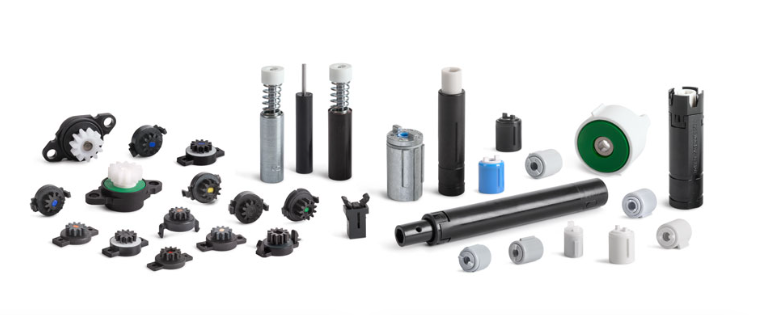
A smooth lid or cover is often a small detail with a big effect on how a product feels.A micro rotary damper can help control

A smooth lid or cover is often a small detail with a big effect on how a product feels.A micro rotary damper can help control
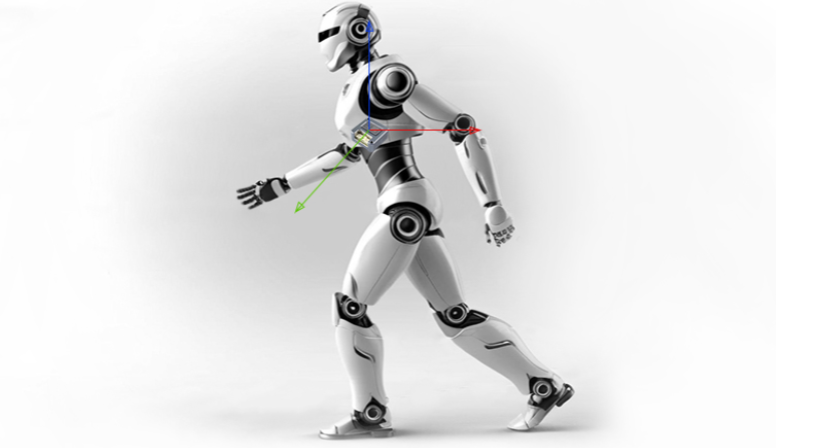
Every trade show this year has a humanoid robot on the floor, and every market report has the same headline number: precision gears and reducers
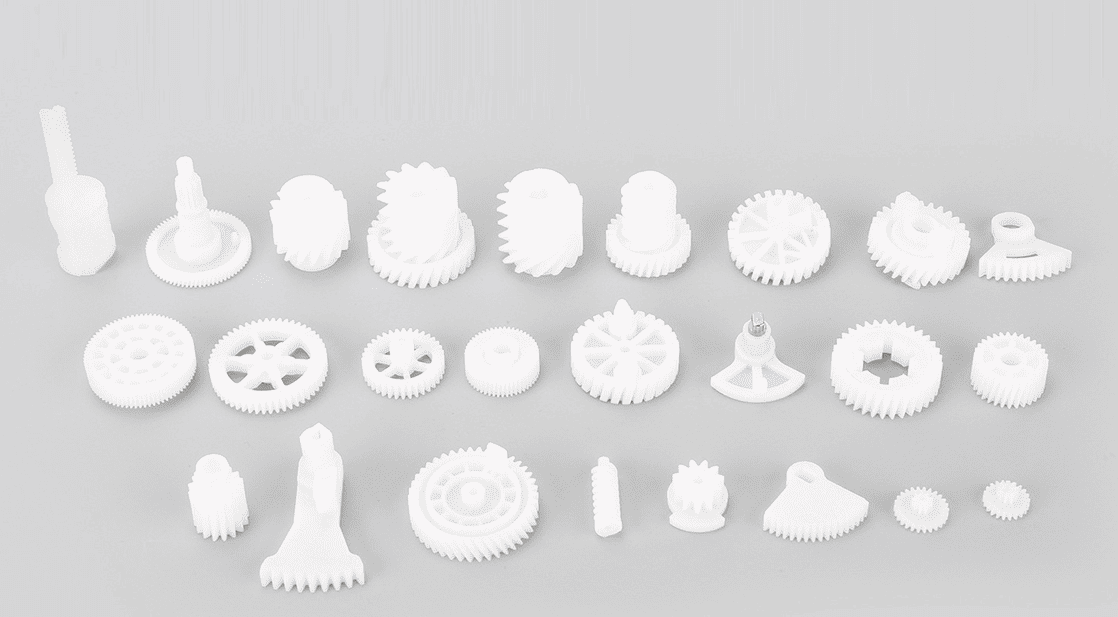
Quick answer: A plastic gear assembly combines multiple precision-molded gears, shafts, bearings, and a housing into one tested, ready-to-install motion subsystem — instead of shipping
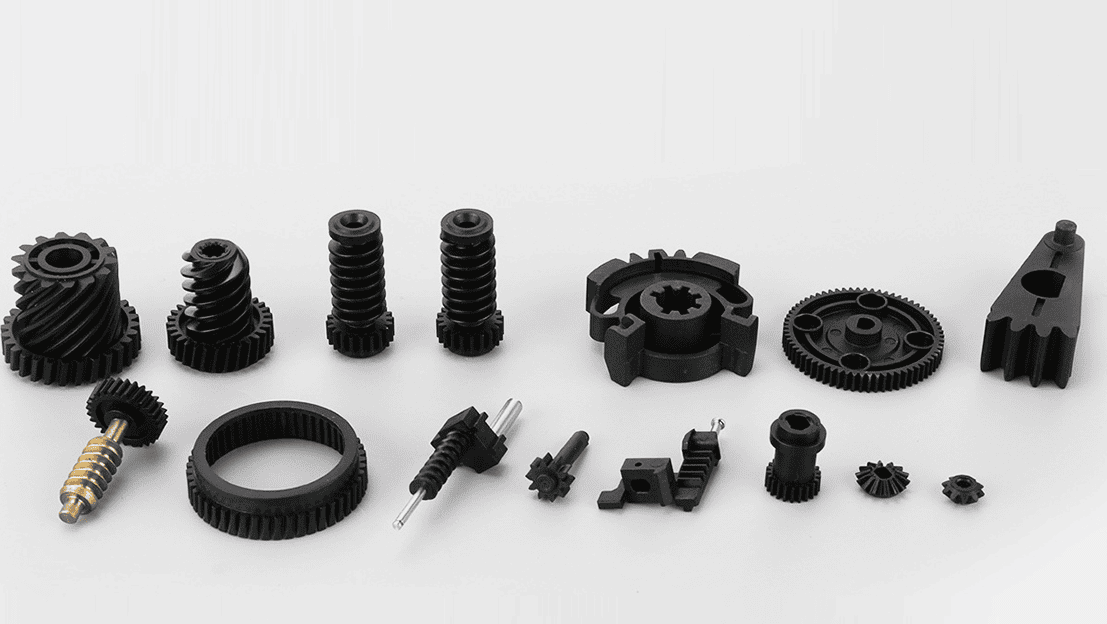
Why Plastic Gear Design Matters Plastic gears have become an essential component in modern motion systems. Compared with traditional metal gears, engineered plastic gears offer
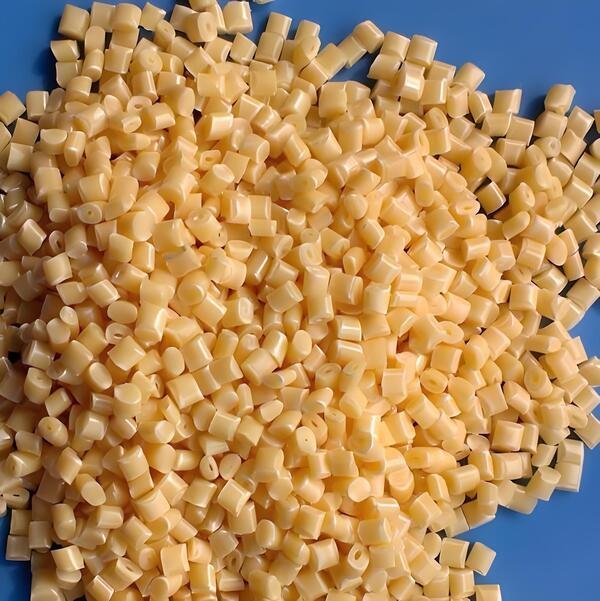
Selecting the right material is one of the most important decisions in plastic gear design. A gear may have the correct tooth profile and dimensions,
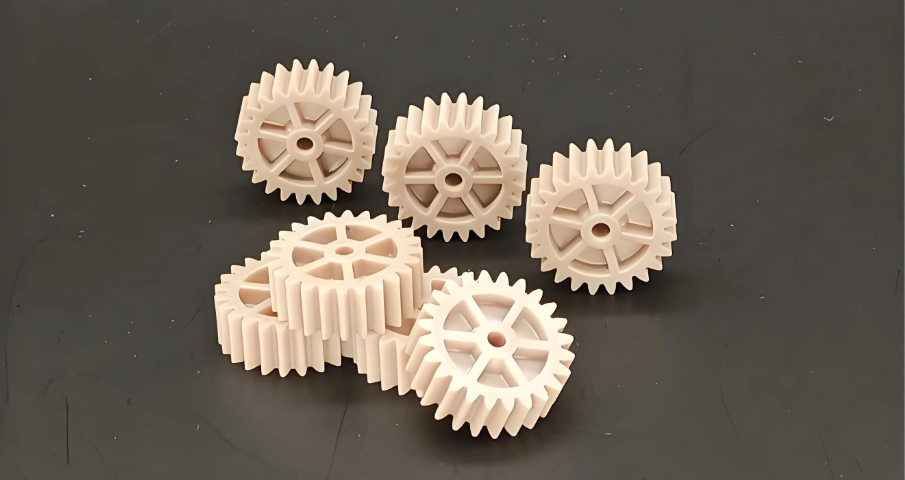
Small robots are becoming more common in warehouses, laboratories, homes, education, medical devices, and light industrial automation. Whether it is a compact robotic arm, an
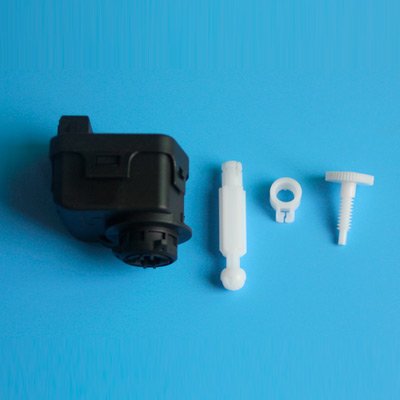
In many small motion-control assemblies, metal gears are selected by default. They are familiar, strong, and widely available. But metal is not always the best
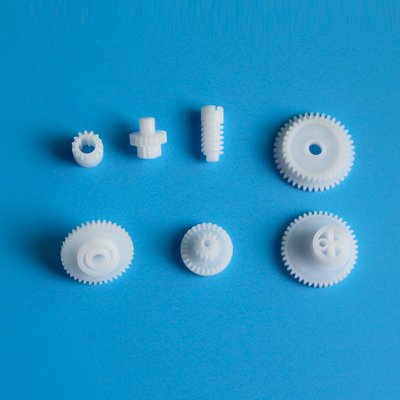
When European and American engineers hear “plastic gears,” some still worry about structural integrity and mechanical wear. However, with modern engineered polymers and micromorphology mold
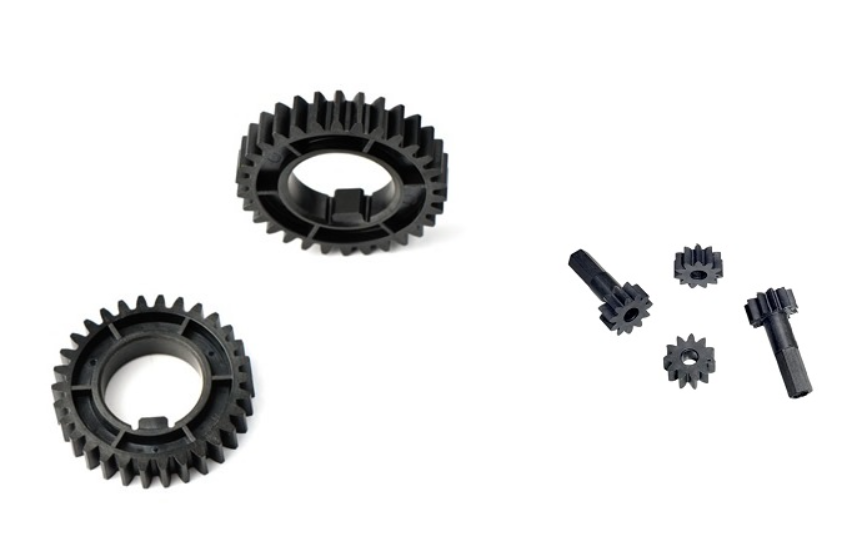
In the rapidly evolving landscapes of Smart Home automation and Robotics, consumers and industrial users demand two things above all: whisper-quiet operation and flawless precision.
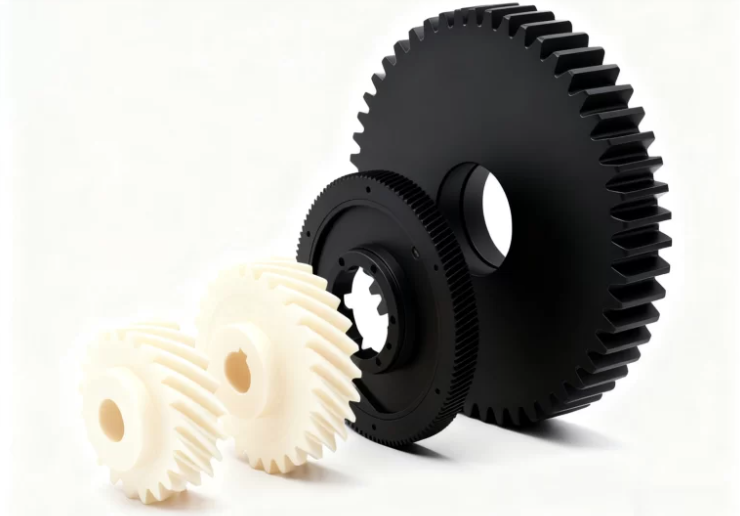
In modern motion control systems, design engineers are increasingly replacing traditional metal gears with high-performance engineering plastics like POM (Acetal), PEEK, and Nylon. Plastic gears